What I believe…
Twenty-six years of public speaking work, distilled to one page. What I've come to know and what deeply matters to me. In a way, this is the mountain-top view of my work; the course is the hands-on view where we walk in smaller steps. And I’m still learning…
Too many people are living quiet lives, scared to be fully seen and be fully themselves.
What I see
Fear of public speaking is a reflection of how we feel about being in the world, in big and small ways. Fear of being the centre of attention, fear of being judged, fear of our brains going blank, fear of fear ‐ these are very normal.
We are the handbrakes on our own lives. We get in our own way. We live by stories that hold us back. We believe our own thoughts. Even when they keep us small. Or maybe especially when they keep us small.
Avoidance doesn’t work. It feels like safety in the short run, but in the long run it makes us miserable, and our lives smaller.
Lots of us don't take the risk to connect to people we don't know. We stay safely in our comfort zones.
Confidence won’t turn up. It’s not just going to knock on the door and self-deliver. Don’t wait for it. Do the work.
What’s true
Anxiety is often treated as shameful, as weakness. It isn’t. It’s central to our biology. Discomfort isn’t a sign to stop, it’s a sign you care about something.
Our anxious brain’s job, for millions of years, has been to keep us alive by sensing danger. It’s still doing that. And it’s doing a good job of making us live anxious lives.
We are not broken, but wonky. We don’t get our brain upgraded annually like the iPhone. Our last upgrade was language roughly 100,000 years ago. We forget we are running really old software in our brain (StoneAge version 4.5 perhaps?).
fighting fear
Fear and anxiety are not going away. Fear is not a signal to stop. We have these feelings when something matters. If it didn’t matter, we wouldn’t feel fear. Oddly, fighting the fear makes it bigger, not smaller. The more you don’t want it, the more you’ve got it. You can’t fight yourself and win.
the inner voice
The inner critic isn’t bothered about your long-term life. It’s bothered about social risk and exposure. It’s an over-sensitive smoke alarm, not a strategist.
what we share
It’s not just you. This is human. We share these feelings. Up to 70% of us live with imposter syndrome. Most people walk around feeling “I’m not good enough.” Lots of us are scared of judgement.
This life malarkey is not for long. It soon goes. If I die at the age my father died, I have 15 summers left. How many do you have?
What’s possible
We need to shift from the idea of performance to being present. To develop an ease with being seen. To breathe and just BE in public. That’s how we develop presence. That’s how we get our brain back. That’s why I start slowly with public being ‐ the foundation that opens into relational presence.
I think public speaking is about learning how to be you in front of other people. One breath at a time.
confidence practice
Everyone can learn to be more confident. Confidence is trusting yourself more. It’s a better relationship with yourself: encouraging, not punishing. It’s a practice, not an end goal. I’m still practising…
You will always have a comfort zone. Your comfort zone can get a lot bigger through practice. But real confidence is stepping out of it, into the unknown, trusting that you can handle the discomfort and do what matters to you.
towards what matters
And if you step into what really matters to you, it stops being about the anxious you. That’s where the motivation comes from to go towards discomfort, towards life.
Learn to see fear as part of being human, and be willing to walk with those feelings in service of your life. You don’t have to start big.
You will have dark days. You will fail. The only people who don’t fail are dead people. Learn to spot the learning in the failure. Come back. Start again. Fail again. Learn again. Start again.
We find it really hard to be kind to ourselves. And yet research points to far better mental health outcomes if we are. Finding ways to change our relationship to the inner voice is hard but vital.
We need to learn to be with our thoughts and feelings in a different, more flexible quieter way so we don’t get pushed around by our fears and worries.
The world is friendlier than the news suggests, and warmer than your anxious brain tells you. Most people are friendly. Amazing connections are just an increased heart rate away, if you take the risk to say “wow, that’s a great tattoo.”
a fuller life…
The fundamentals of public speaking are about how we are with ourselves. Not tips, not an easy slogan, but an ease with ourselves ‐ a changed relationship.
We don’t need to be ashamed of who we are.
We can live a more vital life if we learn some new skills and focus on what matters.
And the exciting thing is that I’m still learning…
Thank you for reading this
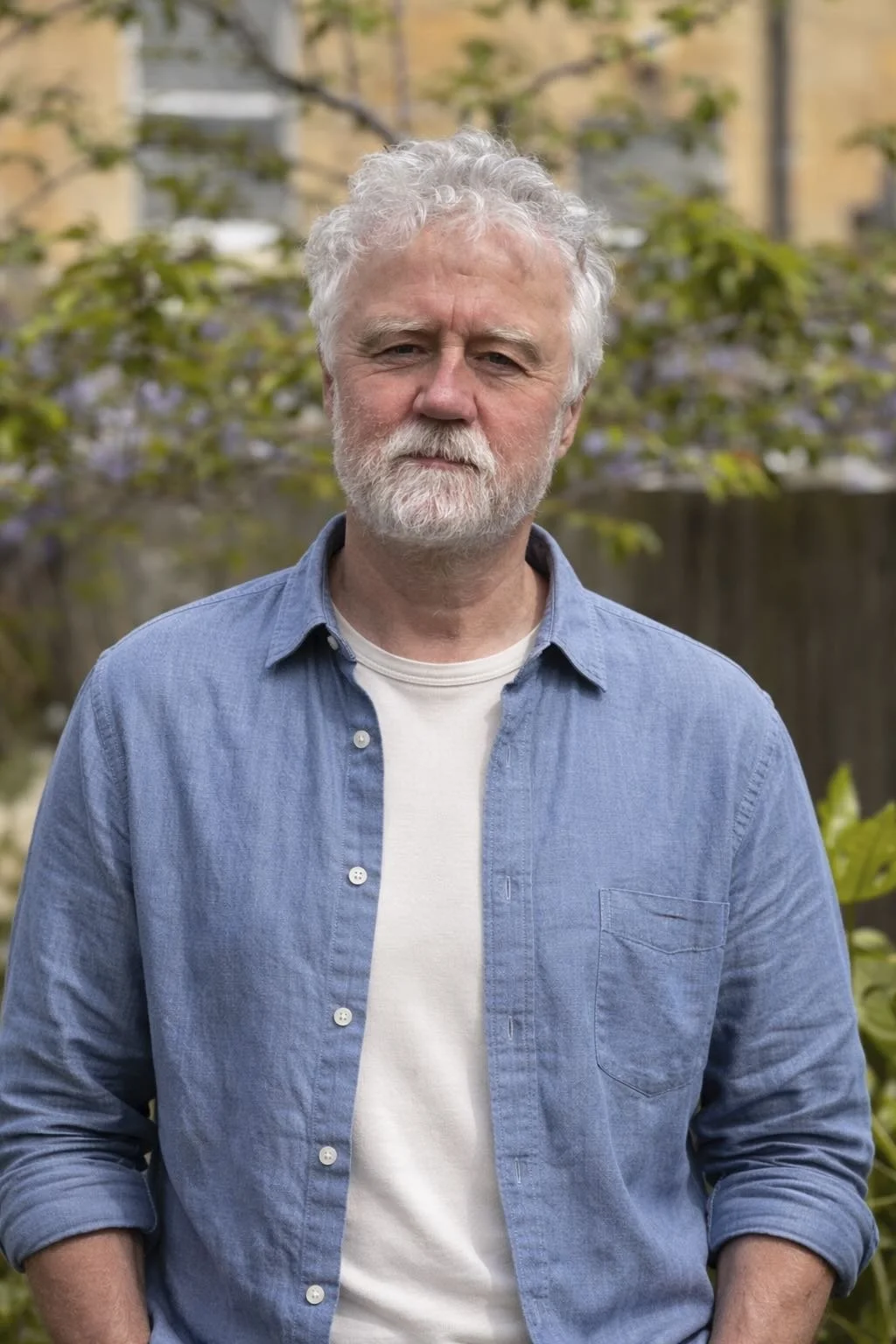
John Dawson
John Dawson has been teaching public speaking since 2000, to people who don't like it and can't avoid it any longer. He runs two-day open courses in Bristol, London, and Manchester. Read more about John.